VitalStepsLab Blog
In-depth explorations of nutritional science topics, research reviews, and explanations of metabolic concepts
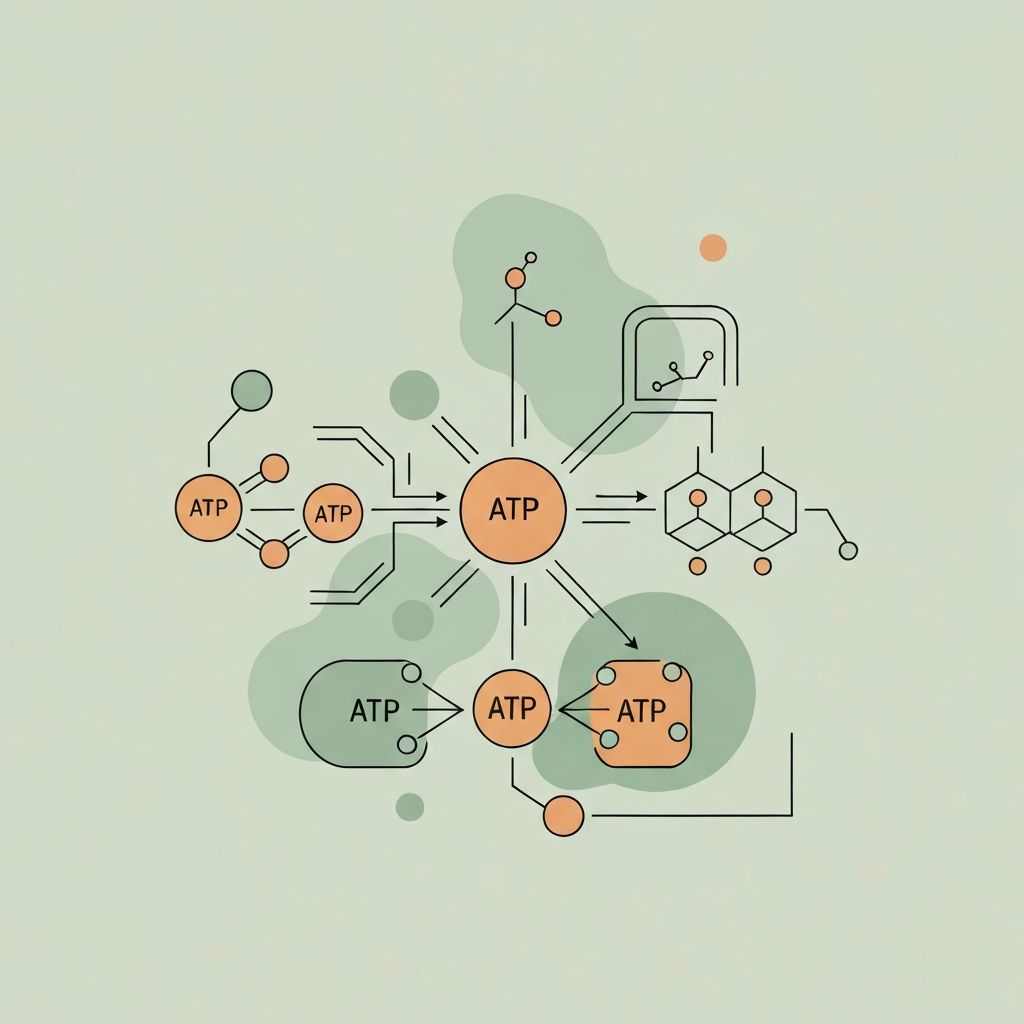
How Does Energy Balance Actually Work?
A detailed scientific explanation of the principles underlying energy balance, including calories in versus calories out, thermogenesis, and metabolic adaptation. Explores the thermodynamic foundation of weight changes and the complexity of energy regulation systems.
Read Article
Protein and Satiety: What Research Shows
An overview of scientific studies on protein's effects on hunger and satiety hormones. Explores how protein composition influences appetite regulation, different protein sources, and implications for overall dietary patterns.
Read Article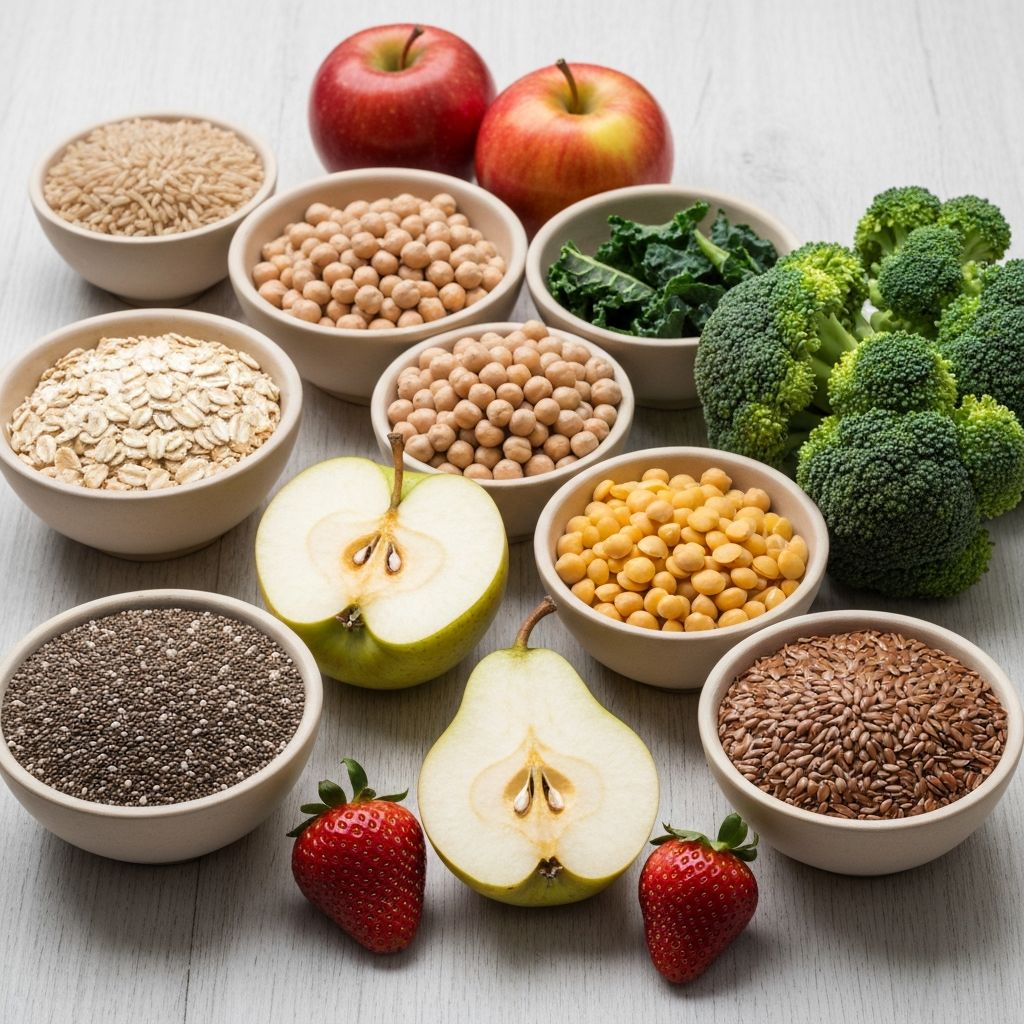
Fibre Types and Their Role in Digestion
An explanation of the differences between soluble and insoluble dietary fibre, their distinct physiological effects, and common food sources. Discusses how fibre influences digestive processes and metabolic health.
Read Article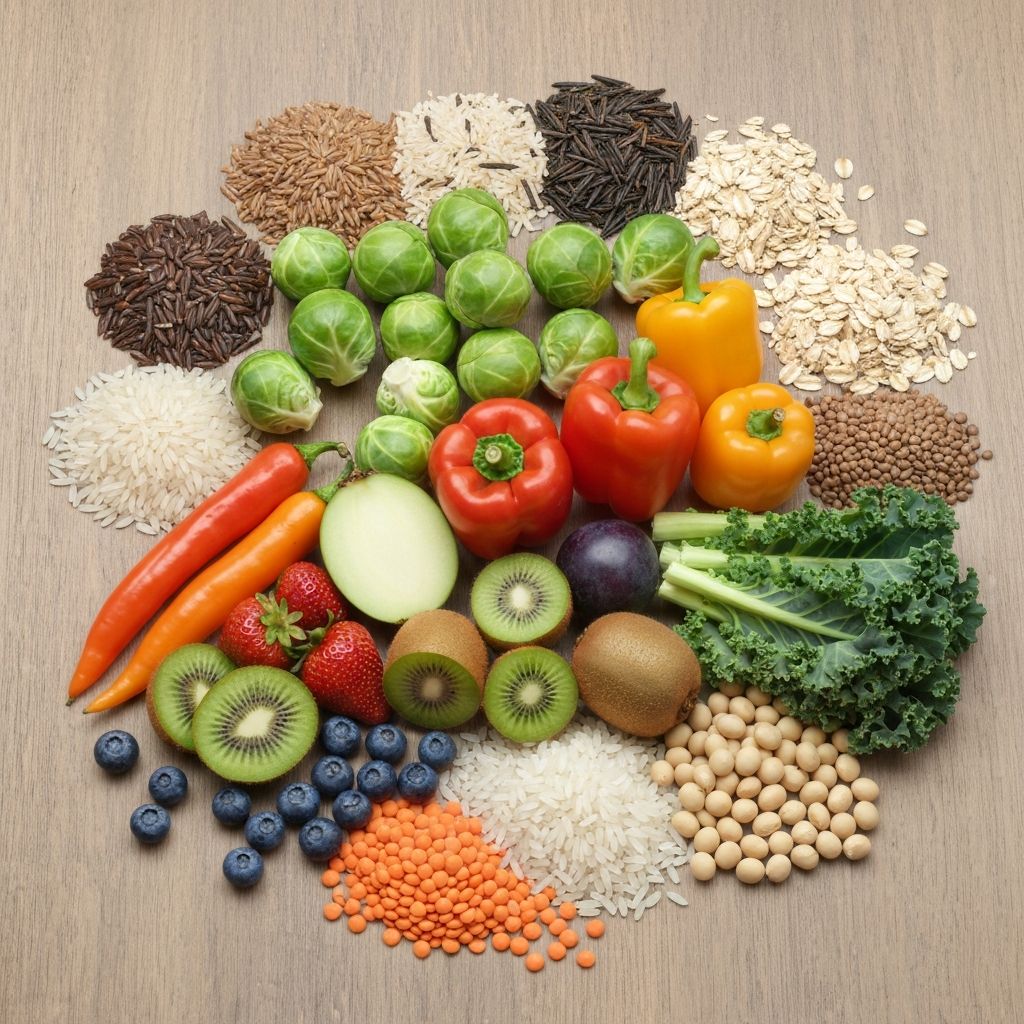
Glycaemic Index: Useful Concept or Oversimplification?
A balanced exploration of the glycaemic index concept, what it measures, its usefulness in understanding blood glucose response, and its limitations. Discusses how GI relates to overall nutritional quality and individual variation.
Read Article
Sleep Duration and Body Composition
A review of observational research linking sleep duration to weight regulation, exploring hormonal mechanisms, metabolic effects, and the bidirectional relationship between sleep and weight.
Read Article
Physical Activity Beyond Calorie Burning
A discussion of how movement influences metabolic health beyond simple energy expenditure, including effects on insulin sensitivity, metabolic rate, cardiovascular function, and overall health markers.
Read ArticleAbout These Articles
Our blog articles provide detailed explorations of specific nutritional science topics. Each article reviews current research, explains scientific concepts, and presents balanced perspectives on complex subjects.
These articles are educational in nature and do not provide personal recommendations. They are intended to help readers understand scientific principles and research findings, not to prescribe specific actions or promise particular outcomes.