Fibre Types and Their Role in Digestion
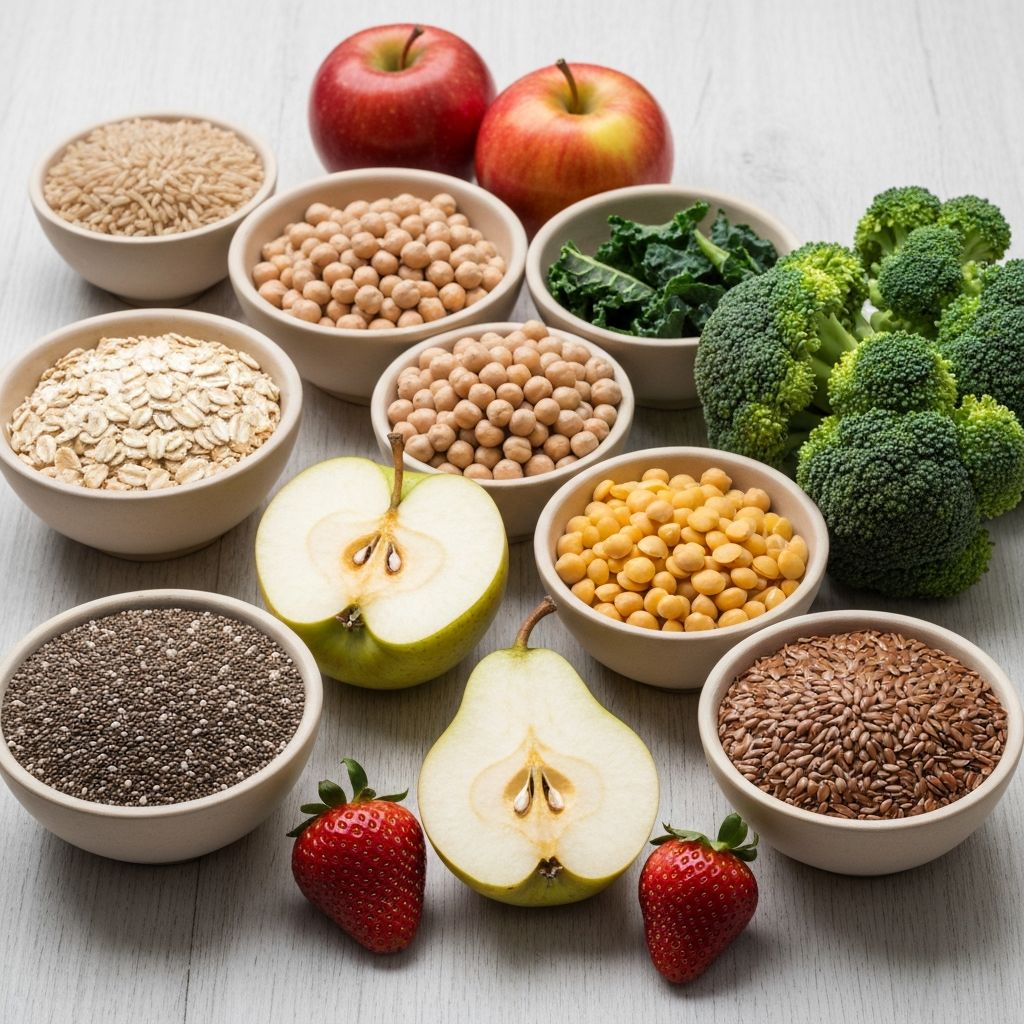
Dietary fibre is a plant-based carbohydrate that the human body cannot fully digest. Despite not providing calories like other carbohydrates, fibre plays crucial roles in digestive health, nutrient absorption, gut health, and metabolic regulation. Understanding the different types of fibre helps explain their distinct effects in the body.
Fibre is found primarily in plant-based foods including vegetables, fruits, whole grains, legumes, nuts, and seeds. Different foods contain varying ratios of fibre types, and this composition influences their physiological effects.
Soluble Fibre
Soluble fibre dissolves in water, forming a gel-like substance in the digestive tract. This type of fibre slows stomach emptying and delays nutrient absorption, which can affect blood glucose levels and satiety.
Physiological effects of soluble fibre:
- Slows gastric emptying, extending the duration of fullness after eating
- May help moderate blood glucose response to meals
- Can influence cholesterol metabolism
- Feeds beneficial gut bacteria, promoting prebiotic effects
- Contributes to overall digestive health
Common sources: Oats, barley, beans, lentils, apples, pears, citrus fruits, carrots, and other vegetables.
Insoluble Fibre
Insoluble fibre does not dissolve in water and passes through the digestive tract largely intact. This type of fibre adds bulk to stool and promotes digestive movement.
Physiological effects of insoluble fibre:
- Increases stool bulk, promoting regular bowel movements
- Supports digestive tract health by promoting mechanical movement
- May promote beneficial changes in gut microbiota
- Contributes to satiety through volume expansion
- Supports overall digestive function
Common sources: Wheat bran, whole grains, nuts, seeds, and the skins and peels of vegetables and fruits.
Resistant Starch
Resistant starch is a type of carbohydrate that resists digestion in the small intestine, behaving similarly to fibre. It is found in certain cooked and cooled starchy foods and provides prebiotic benefits.
Sources: Cooked and cooled potatoes, green bananas, legumes, and certain whole grains.
Fibre and Satiety
Fibre contributes to satiety through multiple mechanisms. It adds volume to food with minimal caloric content, slows gastric emptying, and triggers satiety hormones. Foods higher in fibre often have lower caloric density while providing substantial volume, which influences how satisfied people feel after eating.
The satiety effect of fibre is particularly pronounced when combined with protein and water, as these combinations produce prolonged fullness and potentially influence subsequent energy intake.
Fibre and Gut Health
Soluble fibre in particular serves as a prebiotic—food for beneficial gut bacteria. The fermentation of fibre by these bacteria produces short-chain fatty acids (SCFAs) that have various health-promoting effects, including supporting immune function, gut barrier health, and metabolic processes.
Individual variation in gut microbiota composition influences how people respond to different types of fibre, which may explain why fibre effects vary between individuals.
Fibre Intake and Health
Research suggests that adequate dietary fibre intake is associated with various positive health markers including metabolic health, cardiovascular health, and digestive function. However, the relationship between fibre intake and weight is more complex—while fibre contributes to satiety, weight changes depend on overall energy balance and multiple other factors.
Practical Considerations
Increasing fibre intake gradually allows the digestive system to adapt. Rapid increases can cause temporary digestive discomfort. Adequate water intake is important for proper fibre function, as fibre works best when combined with fluid.
Individual variation exists in fibre tolerance and effects. Factors including baseline fibre intake, gut health, and individual microbiota composition influence how people respond to fibre.
Important Note
This article explains the science of dietary fibre but does not provide personal dietary recommendations. Individual fibre needs vary based on health status, digestive health, and other factors. Those with digestive conditions should consult healthcare professionals before making significant dietary changes.